Starting setup
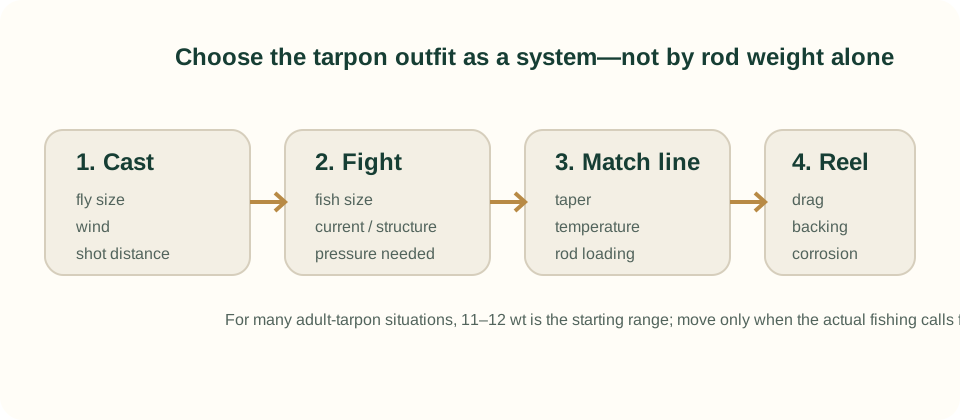
For adult tarpon, a 9-foot 11- or 12-weight is the conventional starting range. A 10-weight can make sense for smaller fish and lighter presentations. The final choice should be driven by the fish you are realistically targeting, the flies you cast and the wind you expect.
Rod weight by common situation
| Situation | Practical starting range | Why |
|---|---|---|
| Juvenile / backcountry fish | 9–10 wt | Smaller flies and fish; lighter presentation |
| General adult tarpon | 11 wt | Useful balance of castability and reserve |
| Large adults / demanding wind | 12 wt | More fly-turnover and fighting reserve |
The cast often decides the rod before the fish does
Tarpon fishing can involve quick presentations with a substantial fly, limited false casts and real wind. A rod that is technically strong enough to land the fish can still be a poor choice if it cannot deliver the fly cleanly. Practice with the actual line, leader and fly size you will use.
Use enough rod to fight the fish efficiently
Tarpon are not a reason to deliberately under-gun the tackle. A suitable rod, strong leader system and proper fighting technique reduce unnecessary fight time. The rod should have enough butt reserve to apply pressure without forcing you to fight only from the tip.
Check the whole saltwater system
- Line: choose a taper built to turn over the flies and load the rod in the temperatures you fish.
- Reel: reliable drag, adequate backing capacity and corrosion resistance matter.
- Hardware: rinse saltwater gear after use and inspect guides, reel seat and ferrules.
- Practice: accuracy at realistic distance matters more than maximum lawn-cast distance.
Decision rule
What changes the answer?
| Situation | Rod direction | Reason |
|---|---|---|
| Juvenile tarpon, smaller flies, protected water | Often 9–10 wt | Less rod can improve presentation while still providing suitable control for smaller fish. |
| Typical adult tarpon, open flats / common wind | Often 11–12 wt | More useful combination of fly delivery and fighting reserve. |
| Very large fish, heavy flies, strong wind or demanding current | 12 wt and carefully matched system | The repeated extremes—not bragging rights—justify the heavier outfit. |
Bottom line
Start with the fly, wind and fish you realistically expect. For many adult-tarpon situations that points toward an 11- or 12-weight, but the right answer is the lightest complete system that still casts the fly and lets you apply responsible pressure.