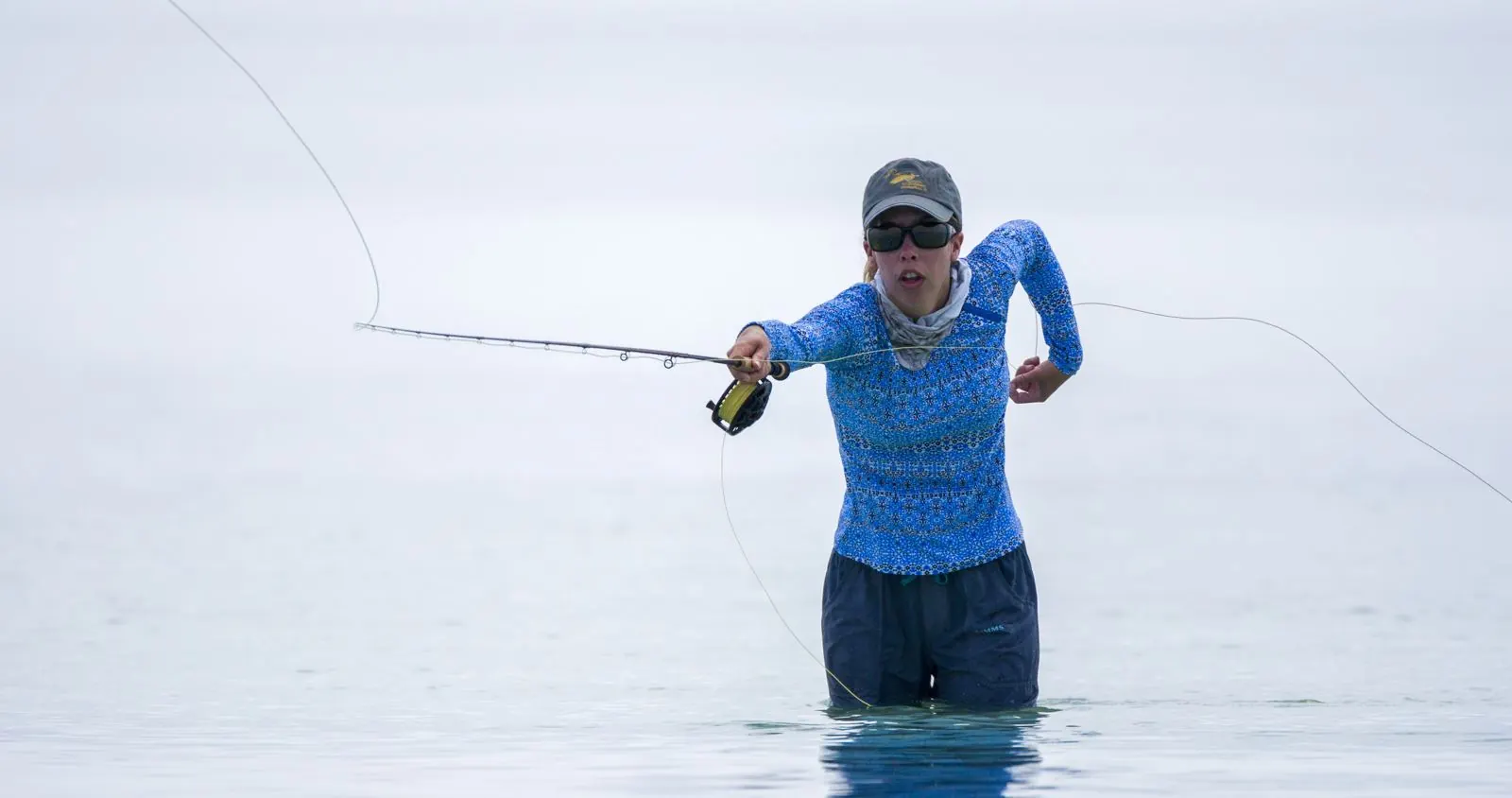
What a 8-weight is best for
A 8-weight fly rod is generally associated with steelhead, salmon, pike and common saltwater applications. The number describes the line class the rod is designed around, not the physical weight of the rod itself.
Strengths
- Purpose-matched performance for steelhead, salmon, pike and common saltwater applications.
- A clearer choice when selected around fly size, wind and fish size.
- Can complement rather than replace a general-purpose outfit.
Limitations
As rod numbers get lighter, wind resistance, fly size and fish control become more limiting. As they get heavier, delicacy and all-day comfort may decline. A 8-weight should therefore be chosen for its intended job rather than as a status upgrade.
What length and action to consider
Nine feet is a common reference length, but small streams may favor shorter rods while line-control techniques may favor longer ones. Medium to medium-fast actions are often easier to feel; faster actions can improve line speed when the caster can load them effectively.
Who should buy one
Consider a 8-weight when your most frequent fishing closely matches its core use. Beginners who are still unsure of their waters may be better served by a versatile middle-weight rod before adding specialized outfits.
Current 8-weight fly rods
Every 8-weight model below is listed on the maker’s own site (checked October 31, 2026). Price bands use the maker’s list price; each row has its own Check price link for that 8-weight model.
| Rod family | 8-weight lengths | Pieces | Price band | Check price |
|---|---|---|---|---|
| ECHO LIFT | 9′ | 4 | Under $250 | Check price |
| Redington Wrangler | 9′ | 4 | Under $250 | Check price |
| ECHO Boost Blue | 9′ | 4 | $250–$500 | Check price |
| ECHO Trip | 9′ | 8 | $250–$500 | Check price |
| Orvis Clearwater | 9′, 10′ | 4 | $250–$500 | Check price |
| Redington Predator Salt | 9′ | 4 | $250–$500 | Check price |
| Redington Vice | 10′ | 4 | $250–$500 | Check price |
| Hardy Aydon | 9′, 10′ | 4 | $500–$900 | Check price |
| Hardy Aydon Travel | 9′ | 6 | $500–$900 | Check price |
| Orvis Recon Freshwater | 8′9″ | 4 | $500–$900 | Check price |
| Orvis Recon Saltwater | 9′ | 4 | $500–$900 | Check price |
| Sage Foundation | 9′ | 4 | $500–$900 | Check price |
| Scott Session | 9′ | 4 | $500–$900 | Check price |
| Scott Wave | 9′ | 4 | $500–$900 | Check price |
| Hardy Marksman | 9′6″, 10′ | 4 | $900+ | Check price |
| Hardy Marksman Z | 8′10″, 9′ | 1/4 | $900+ | Check price |
| Orvis Helios D | 8′5″, 9′, 10′ | 4 | $900+ | Check price |
| Orvis Helios F | 9′ | 4 | $900+ | Check price |
| Sage R8 Core | 9′, 10′ | 4 | $900+ | Check price |
| Sage Salt R8 | 9′ | 4 | $900+ | Check price |
| Scott Sector | 9′ | 4 | $900+ | Check price |
Swipe the table sideways to see every column →